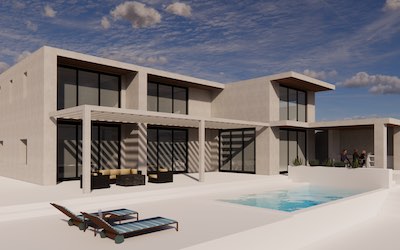
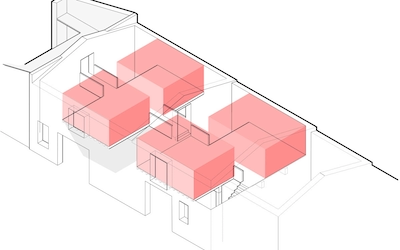
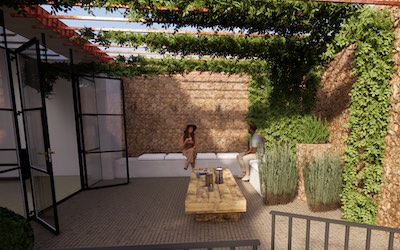
This 300-year-old farmhouse perched on a hilltop promontory and surrounded by woodland in the High Razès region of Aude was the subject of a successful planning application to introduce new window openings into the gable ends of the building and the construction of a timber carport. The aim of the project was to improve habitability while respecting the building’s historic character, environmental impact and regulatory conditions typical of many heritage rural renovations.
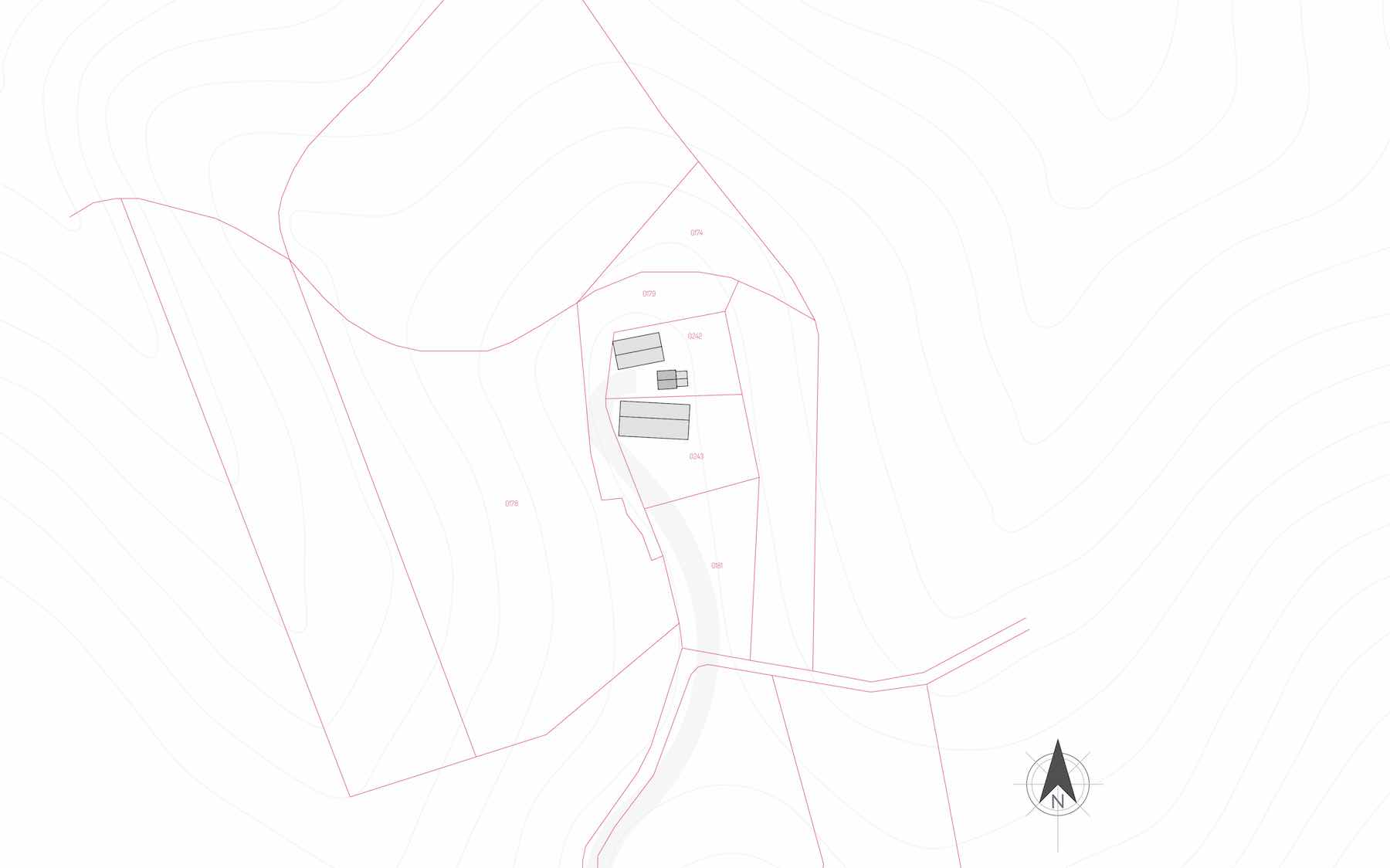
The primary intervention focuses on carefully inserting additional windows into the thick masonry façades of the traditional farmhouse. Such buildings were originally designed with minimal openings to retain heat and provide structural stability, resulting in interiors that can feel dark by contemporary standards. The new apertures are positioned to capture long views across the landscape while increasing daylight penetration into key living spaces.
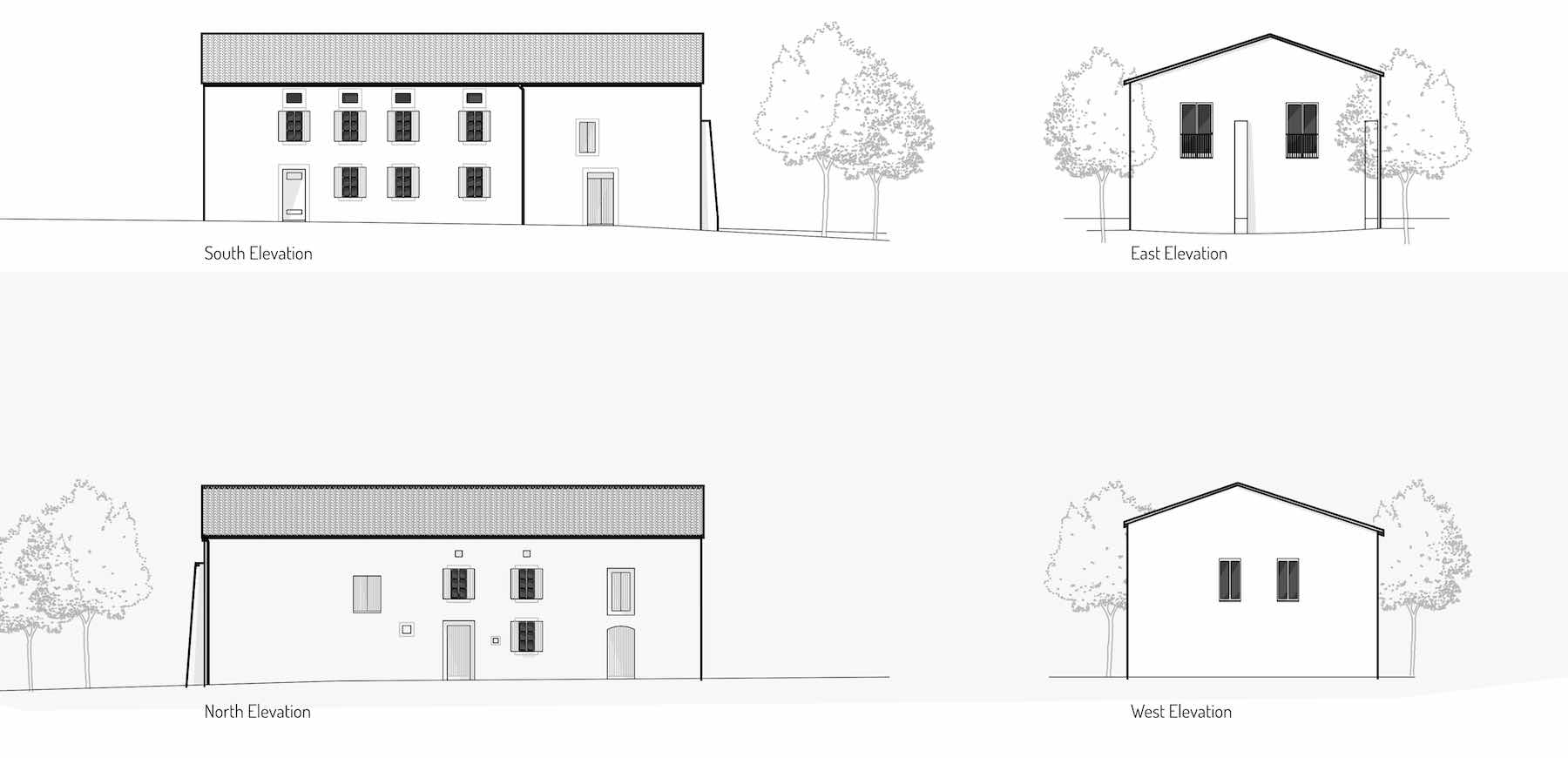
Designing these changes required detailed drawings and justification to demonstrate that the alterations would not compromise the architectural integrity of the centuries-old structure. By aligning new openings with existing proportions and maintaining solid-to-void ratios typical of regional farm buildings, the proposal seeks to preserve the visual weight and rhythm of the façades when viewed from a distance.

In addition to façade modifications, the project includes a freestanding timber carport intended to provide sheltered parking without competing visually with the historic house. Lightweight in construction, the structure is conceived as a subordinate element set apart from the main building, an approach often favoured in planning contexts involving heritage assets.
The forest setting introduces further considerations, including visibility from public viewpoints, integration with natural surroundings and minimising disturbance to the site. Timber was selected for the carport to echo agricultural outbuildings common in the region and to weather naturally over time, allowing it to blend into the wooded landscape.
Together, the proposals illustrate a restrained strategy for upgrading historic rural properties for modern living. By prioritising natural light and material compatibility, the scheme demonstrates how sensitive architectural interventions can extend the usable life of traditional farmhouses while securing planning permission in environmentally sensitive locations.


 Contact
Maison Spaces © 2026
Registered in France, located in the Aude.
Siret # 890 854 052 00010